



E. Hughes, offers a radical new mechanistic theory on the origins of the universe, dark energy, space, and motion in, A Clockwork Universe: URUT. Learn more: https://aclockworkuniverse.com/
#books #Philosophy #Ehughes
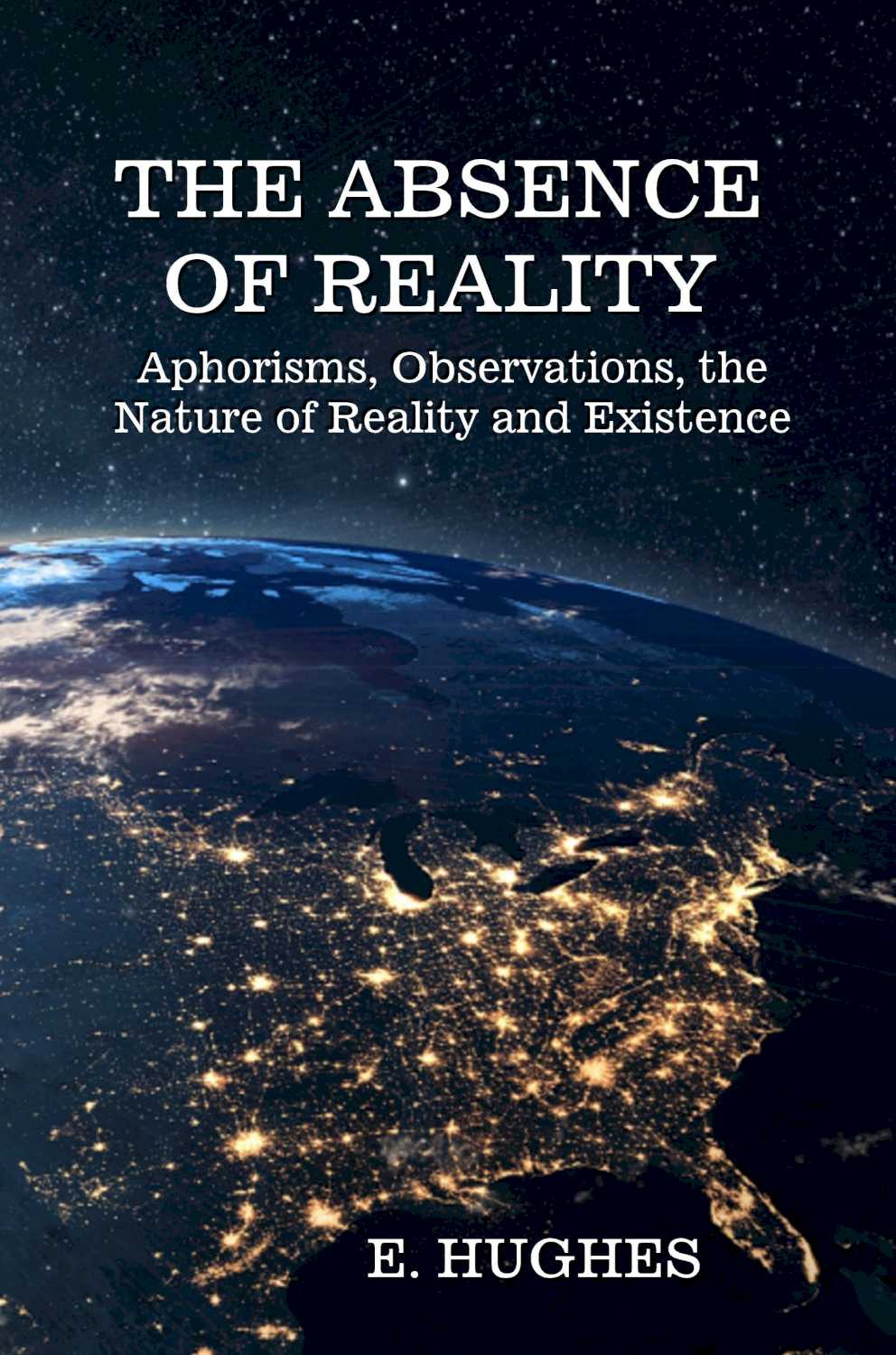
Next Monday, tune in to WORT FM 89.9 Madison on December 22, 2025 at 8:30 a.m. CST where I will be appearing to talk about my book The Absence of Reality: Aphorisms and Observations on the Nature of Reality and Existence.
https://soundcloud.com/wort-fm

My event is tomorrow on August 30, 2025 at Goodman South Public Library for a discussion: Demystifying AI: Is it the future of humanity or our demise? With E. Hughes, author of Reality Unbound: The Digital Mind (and the Nature of Reality). I will do my best to live-stream the event if possible for online participants who decide to register. Visit my philosophy website, https://realityunbound.org/ for details
For anyone interested in reading notes on the August 9th event for Demystifying AI: Is it the Future of Humanity or our demise? Please visit https://realityunbound.org/ for details and notes on what we covered. See you on August 30th!