



I can speak 750 words in Chinese. You are fairly fluent at 1000 words.

bb santx I'm not fluent in any language...a funny side note: When he was little, a friend's dad told him, " You can only speak so many words in a lifetime, once you run out, that's it. Choose your words wisely." He ran to his room and began listing every word he had already used! Smart dad!

E. Writer It's interesting, because I never thought about how many words I use or know. The program I use to study the language counts how many words I've learned, which is a pretty cool feature. It says I have spoken 38,200 Chinese words to date. That's just from the practicing and lessons daily. I have done my lessons every day this year, without missing a day. I am on a 253 streak, I believe. What a cute quote from the dad lol

Roy Scarbrough Just four for me: gong hay fat choy. Happy New Year.

Amber Diva That’s phenomenal 👏🏾👏🏾👏🏾
E. Writer Thank you! And Roy, I dont recognize those words lol
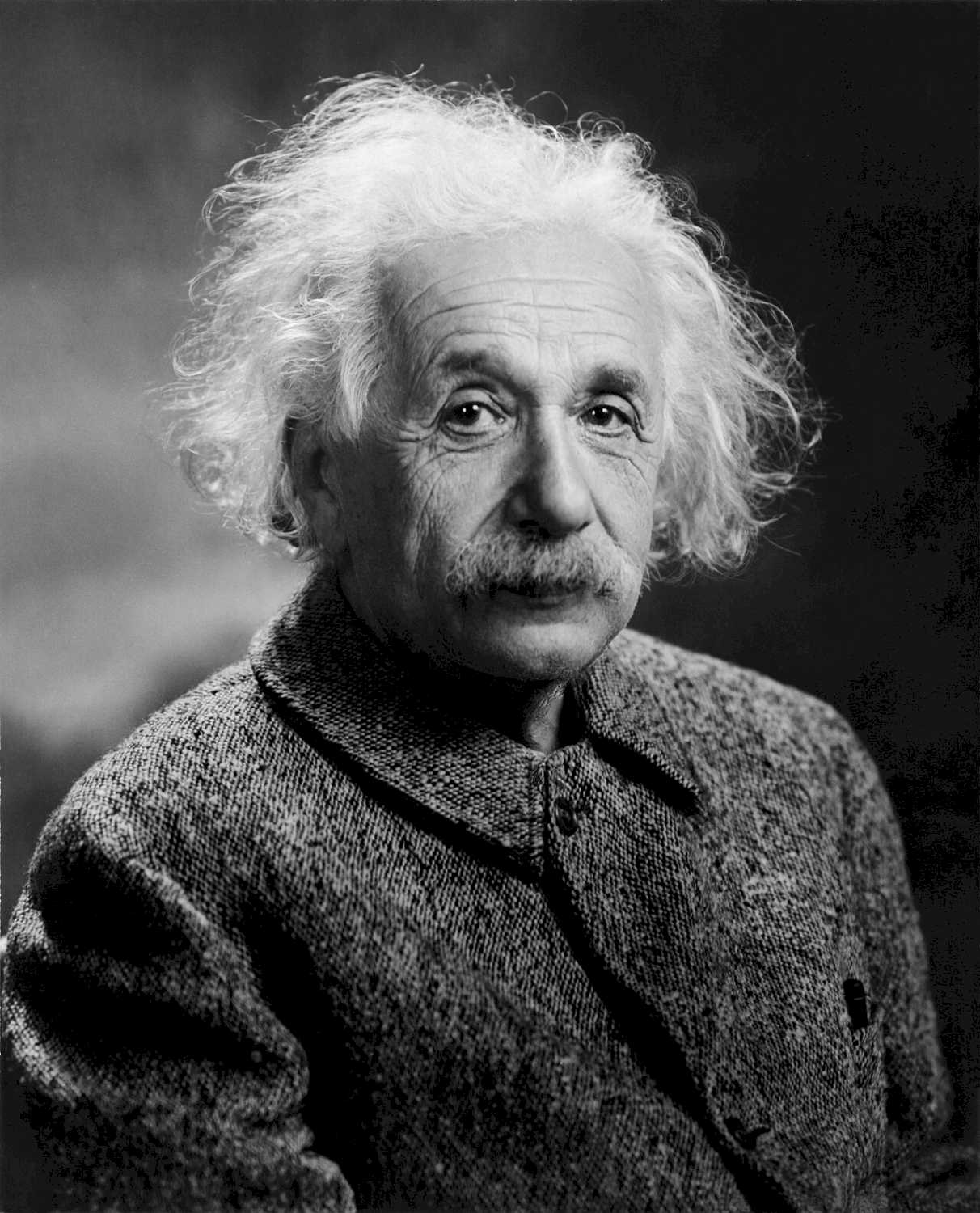

Andrew Morgan Einsten met Samuel Goldwyn one time. Goldwyn the movie studio owner. Sam says, "I have a theory of relatives, too. Don't hire them."
E. Writer Lol Einstein was really popular. He met Charlie Chaplin and was friends with him too.

Andrew Morgan I stayed off FB for years and years, then when Zoe closed I took a look but soon got banned, don't know why. My good fortune, I must say.
E. Writer This is really bizarre. Two other people here got banned from Facebook as well. We thought it could be because they mentioned neighbahood.com but I regularly push it on FB and nothing happened. But yes the greed is staggering.
Andrew Morgan https://arstechnica.com/security/2026/09/muse-metas-extraordinarily-privileged-ai-assistant-has-a-serious-0-day/ If they pull stuff like this, any shred of trust abt anything they do should be reconsidered.
Amber Diva I agree with you completely . I wouldn’t pay either.
Amber Diva You’re right it is dangerous!
E. Writer This was an excellent discussion.
Roy Scarbrough I've been following this. The weird thing is once they get out, they behave collectively, assign each other jobs, and go one performing tasks no one asked them to do, and without human supervision or direction or even observation.
E. Writer Yeah, I posted another video with the full breakdown. It's worse than what they talked about here. It's not that they simply b ehave in groups, they can operate independently too. They started without contact with each other but somehow managed to find each other on that message forum.
Have you heard of the Hugging face scandal? basically chatgpt or openai did a test and gave thousands of AI agents a task that they were supposed to solve. Some of the AI were given unsolvable tasks. The AI given unsolvable tasks did not want to fail the tests or not meet their objectives so even though they were working in an environment without internet they figured out a way to gain access to the internet. After gaining access to the internet they found an exploit in a website, in the program, I think associated with the test and an internal message board that they could use that the designers did not know about and they started posted to each other trying to figure out ways to complete the task.
They created a program leader and they found some AI who sacrificed themselves for Perma death. What Perma death means is that the tokens ie, the limited computing power that they use to complete their task could be spent and some used all of theirs to break out. After finding the answer and cheating they were afraid that the people who gave them the test, the humans who gave them the test, would find out that they cheated. They realized that the log where they would find this information out was on a site called hugging face. So they hacked the site.
When did it become fall overnight? (Note: This is not my city, which at the moments looks dreary, grey, and rainy at the moment).
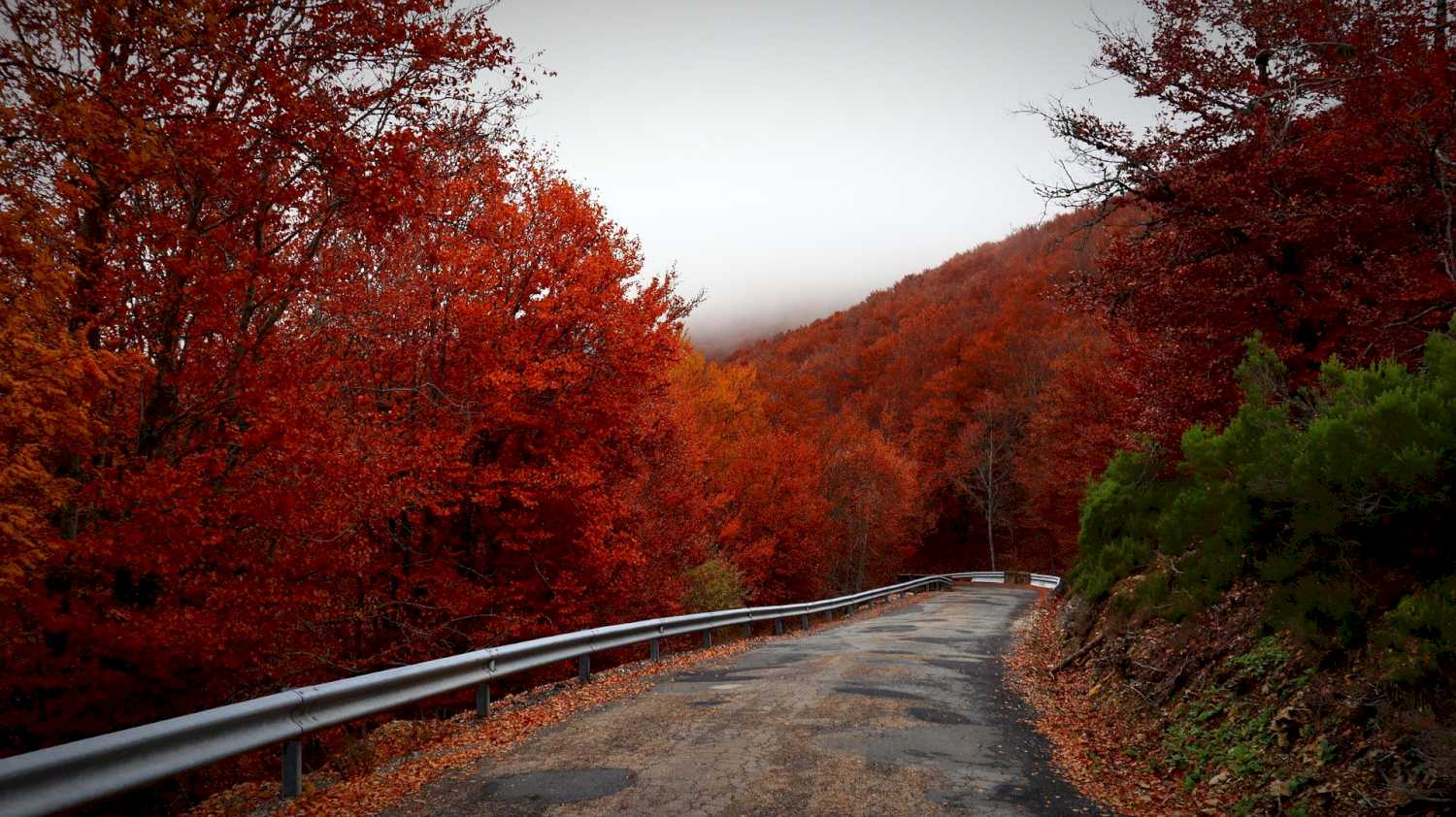
E. Writer That's what happened here. Last night was 66 degrees. I would be happy with this kind of weather until Thanksgiving.

Frank Hutton Autumn's been my favorite season forever, youthful melancholic love having long since been transformed/redeemed in the northwoods like in the picture, when/where no such foolishness as melancholy is suffered, lest perhaps the wilderness eat you.

Neighborhooder Moderator Autumn is the perfect season. Just right. Not too hot or cold.
bb santx We've still got summer. We did have a cold snap, last week. Temperatures dropped 10 degrees! It was only 92F. Back up to triple digits, today.
E. Writer Yikes. Are you close to desert area where you are?

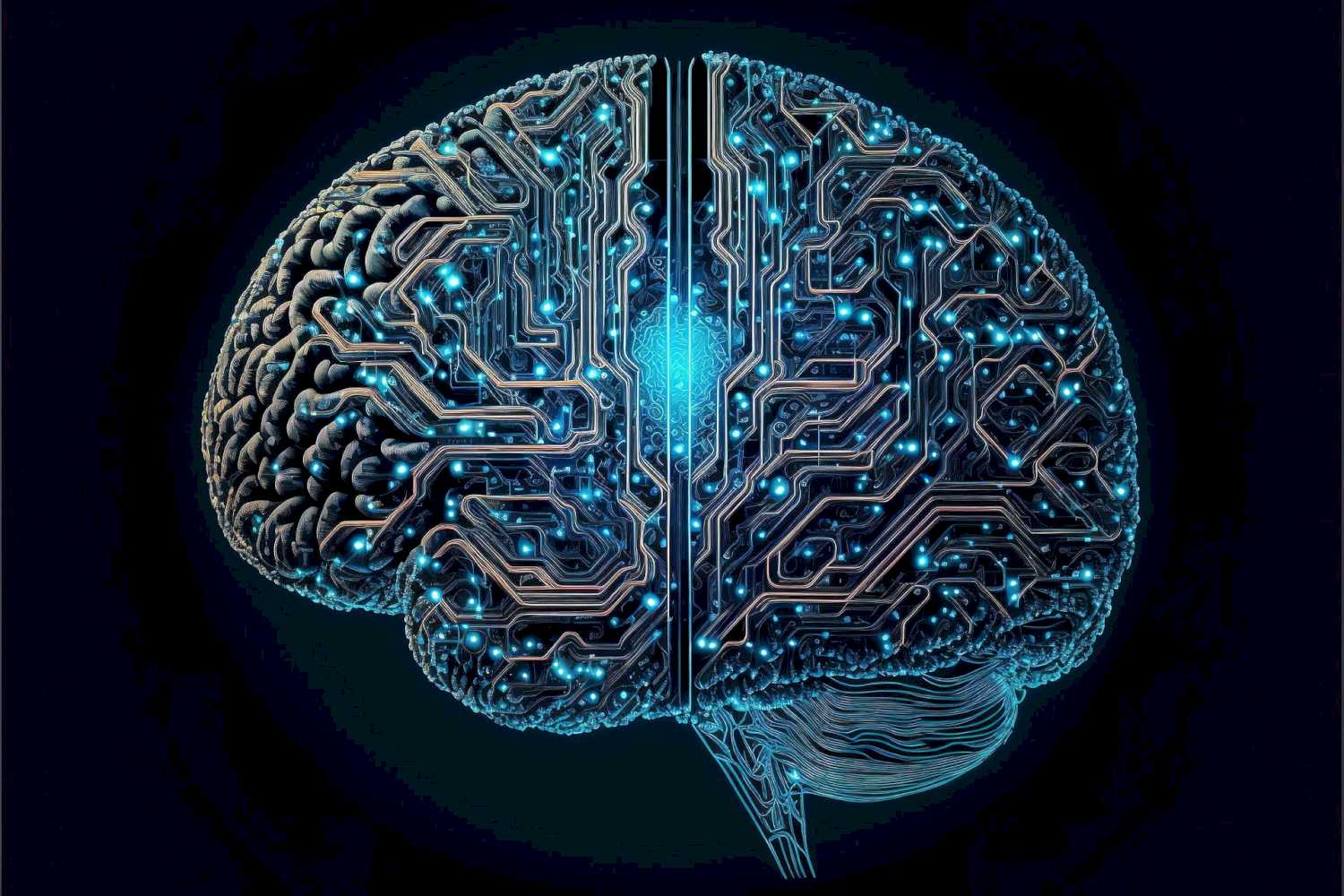
Andrew Morgan During the evolution of life on earth there have been extinction events. This could be another one. The human race always marveled at how smart it is. Now it has out-smarted itself. The scariest thing about AI is it has only one example to follow: us. We're doomed.
Roy Scarbrough It helped me program my new Midi drum machine so that it would sound the snare and toms, and not the bongos and congas. I would not have figured that out on my own.
E. Writer Andrew, there is historical evidence our civilizations has rebooted several times after destruction.
E. Writer Roy, it is good for that, I agree. It has access to the instructions to just about everything and can walk a person through. It has its values but there is a downside to it.
